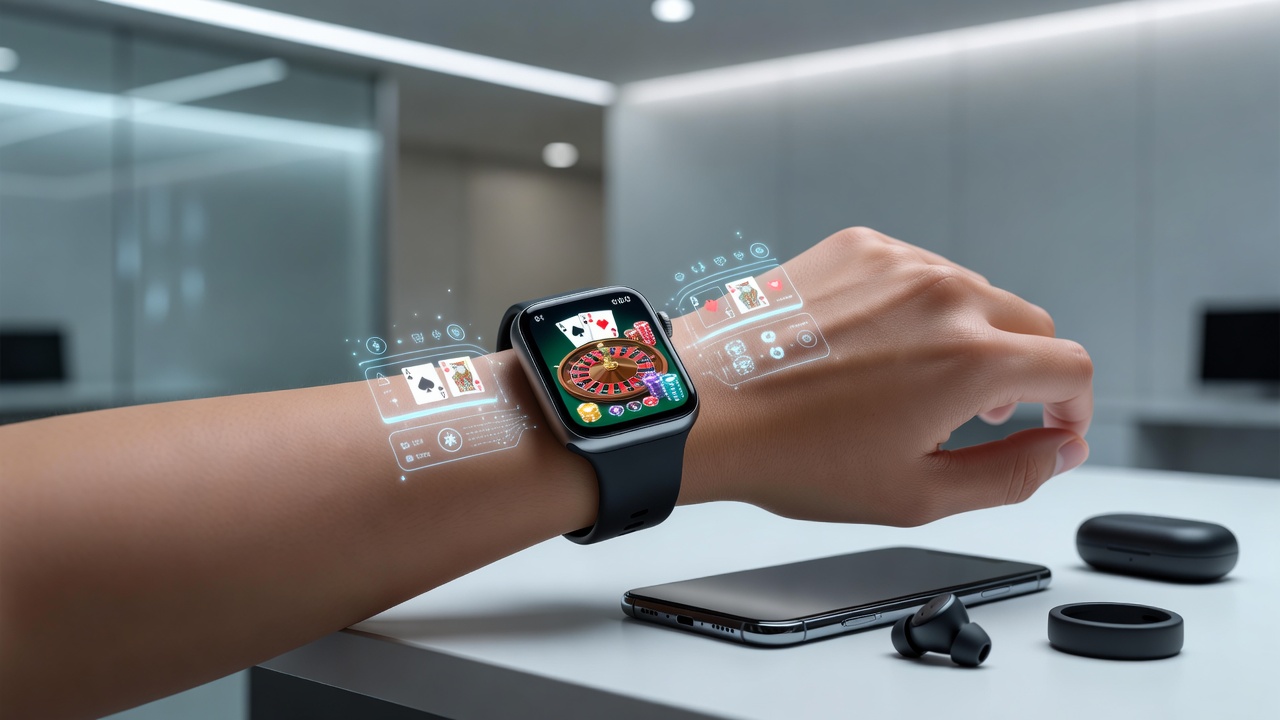
Wearable Tech Integration: Extending Mobile Casino Play Beyond the Smartphone Screen
Smartwatches and connected wearables now handle core elements of mobile casino sessions through direct app integration and Bluetooth pairing with smartphones, allowing players to monitor game progress, place wagers, and receive real-time updates without lifting a phone from a pocket or bag. This shift builds on existing mobile infrastructure where operating systems from major providers already support third-party extensions that sync across devices in seconds. Industry data shows adoption rates for wearable casino features climbed steadily through 2025 and into the first half of 2026, driven by hardware improvements in battery life and display clarity that make sustained interaction practical during commutes or short breaks.
Core Technologies Driving Wearable Casino Access
Bluetooth Low Energy connections and companion apps form the backbone of current wearable casino setups, letting devices pull live game data from a paired smartphone while handling lighter tasks like spin initiation or balance checks on the wrist itself. Haptic motors deliver distinct vibration patterns that signal wins, near-misses, or bonus triggers, giving users tactile feedback that complements visual and audio cues from the main screen. Voice assistants built into many smartwatch models accept spoken commands for menu navigation and bet adjustments, which reduces the need for touch input during active play and supports hands-free operation in situations where holding a phone proves awkward.
Research from hardware manufacturers indicates that newer chipsets introduced in 2025 models improved processing speed enough to run simplified slot and table game interfaces natively on the wearable, cutting reliance on constant phone communication and lowering latency for quick actions. Fitness-oriented bands and smart rings have entered the space as well, using gesture recognition to register basic inputs such as card flips or reel stops through subtle wrist movements. These additions expand reach beyond traditional watch users and tie into broader health-tracking ecosystems that already sit on many wrists.
Practical Extensions in Daily Play Patterns
Users in August 2026 routinely switch between full smartphone displays for immersive sessions and wearable interfaces for ongoing monitoring, a pattern supported by cloud-synced accounts that preserve game state across both formats. Push notifications arrive directly on the wrist when time-limited promotions activate or when a live dealer table opens a seat, allowing immediate response without unlocking a phone. Mini-games and quick-draw features designed specifically for smaller screens appear on wearables during idle moments, delivering short engagement loops that feed back into the primary account balance and loyalty metrics once the phone reconnects.
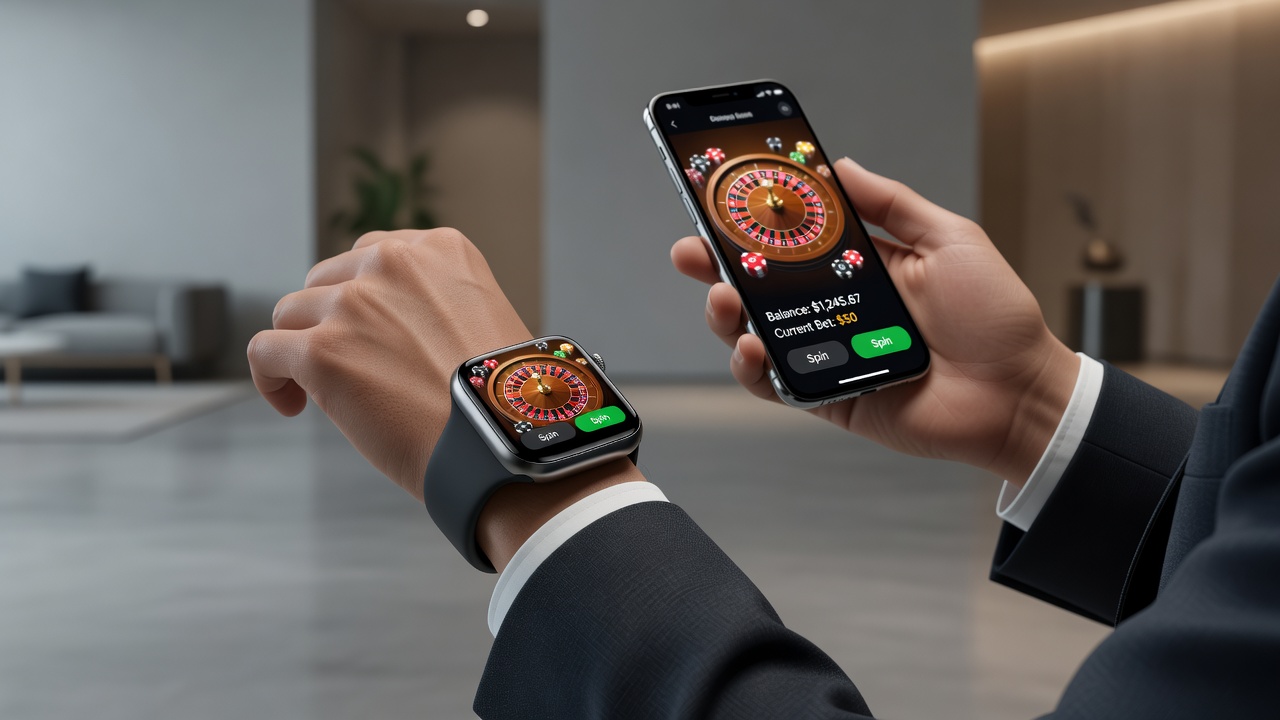
Augmented reality glasses represent the next layer of this integration, projecting game elements into the user's field of view while the smartphone manages backend connections and the wearable supplies control inputs. Early deployments tested in select markets during spring 2026 demonstrated stable performance when network conditions remain strong, with data packets routing through the phone to maintain regulatory compliance on location and age verification. Observers note that these combined setups reduce screen time on the primary device yet keep players inside the same ecosystem, a development that aligns with broader trends in cross-device continuity reported by platform operators.
Regulatory and Security Considerations
Gaming authorities in multiple jurisdictions have begun reviewing wearable extensions under existing mobile gaming rules, requiring the same geolocation checks and transaction logging that apply to smartphone apps. The Nevada Gaming Control Board updated its technical standards in early 2026 to cover wrist-worn devices explicitly, ensuring encryption standards match those used on larger screens. Similar guidance emerged from regulators in other regions, focusing on secure pairing protocols that prevent unauthorized access when multiple devices share an account.
Security firms tracking the sector report that biometric authentication already embedded in most wearables, such as heart-rate pattern matching or fingerprint sensors on the crown, adds an extra verification layer during deposit or withdrawal flows. These measures address concerns about shared or lost devices while keeping the process seamless for legitimate users. Data from platform audits conducted through mid-2026 shows no measurable increase in fraud incidents tied to wearable access points, suggesting current safeguards hold up under real-world conditions.
Market Growth and Device Compatibility
Compatibility lists published by major casino app providers now include dozens of wearable models across price tiers, reflecting hardware standardization that occurred between 2024 and 2026. Entry-level devices handle basic notifications and balance displays, while premium models support full mini-game libraries and advanced haptics. Market analysts tracking adoption figures indicate that wearable casino features appear most frequently in markets where smartphone penetration exceeds 85 percent and where 5G coverage supports reliable background syncing.
Partnerships between wearable manufacturers and gaming software studios have produced specialized software development kits that streamline integration, shortening the time from concept to live deployment. These tools handle automatic orientation switching, power management during extended sessions, and fallback behaviors when the paired phone loses signal. The result is a more resilient experience that continues limited functionality even when the main device is unavailable.
Conclusion
Wearable integration continues to expand the footprint of mobile casino play by distributing interface elements across multiple form factors while preserving account continuity and regulatory compliance. Hardware advances and updated technical standards have made these extensions reliable enough for routine use, with ongoing refinements expected as device capabilities evolve further. Players gain flexibility to engage during moments when a smartphone remains holstered, yet the underlying systems keep every action tied to the same verified session.