Securing Access Points: How Biometric Verification Is Reshaping Entry to Portable Gaming Platforms
Portable gaming platforms continue to expand their reach across smartphones and tablets in 2026, with operators integrating biometric verification methods to manage user access. These systems replace or supplement traditional passwords and PINs, drawing on fingerprint scans, facial recognition, and voice patterns to confirm identity at entry points. Data from industry reports indicates that adoption rates for such technologies have risen steadily since 2023, particularly in markets where mobile devices account for over 70 percent of gaming sessions.
Current Landscape of Access Security in Mobile Gaming
Operators face ongoing challenges with unauthorized account access, which has prompted many platforms to adopt layered authentication protocols. Biometric tools operate by comparing live scans against stored templates created during initial registration, and this process occurs locally on the device to minimize data transmission risks. Research from the National Institute of Standards and Technology highlights how these methods reduce certain types of credential theft compared to static passwords alone.
Platforms in regions including parts of North America and Asia have rolled out updates that require biometric confirmation for high-value transactions or session initiations. In May 2026, several major providers announced expansions of these features following internal audits that identified patterns in account recovery requests. The changes align with broader efforts to meet compliance standards set by bodies such as the Nevada Gaming Control Board and similar authorities in other jurisdictions.
Technical Mechanisms Behind Biometric Integration
Modern implementations rely on secure hardware elements within mobile processors, including dedicated chips that isolate biometric data from the main operating system. When a user attempts to enter a gaming application, the device prompts a scan that matches against encrypted templates without exposing raw images or recordings to external servers. This approach, documented in technical papers from organizations like the IEEE, supports faster verification times while maintaining compatibility across iOS and Android ecosystems.
Developers also combine biometrics with behavioral analytics, such as touch pressure patterns and device orientation, to create continuous authentication during active sessions. Studies conducted by university research teams in Canada have examined how these hybrid systems detect anomalies in real time, triggering additional checks when deviations occur. Integration occurs through application programming interfaces provided by device manufacturers, allowing gaming software to access the sensors without storing sensitive information itself.
Adoption Trends and Platform Examples
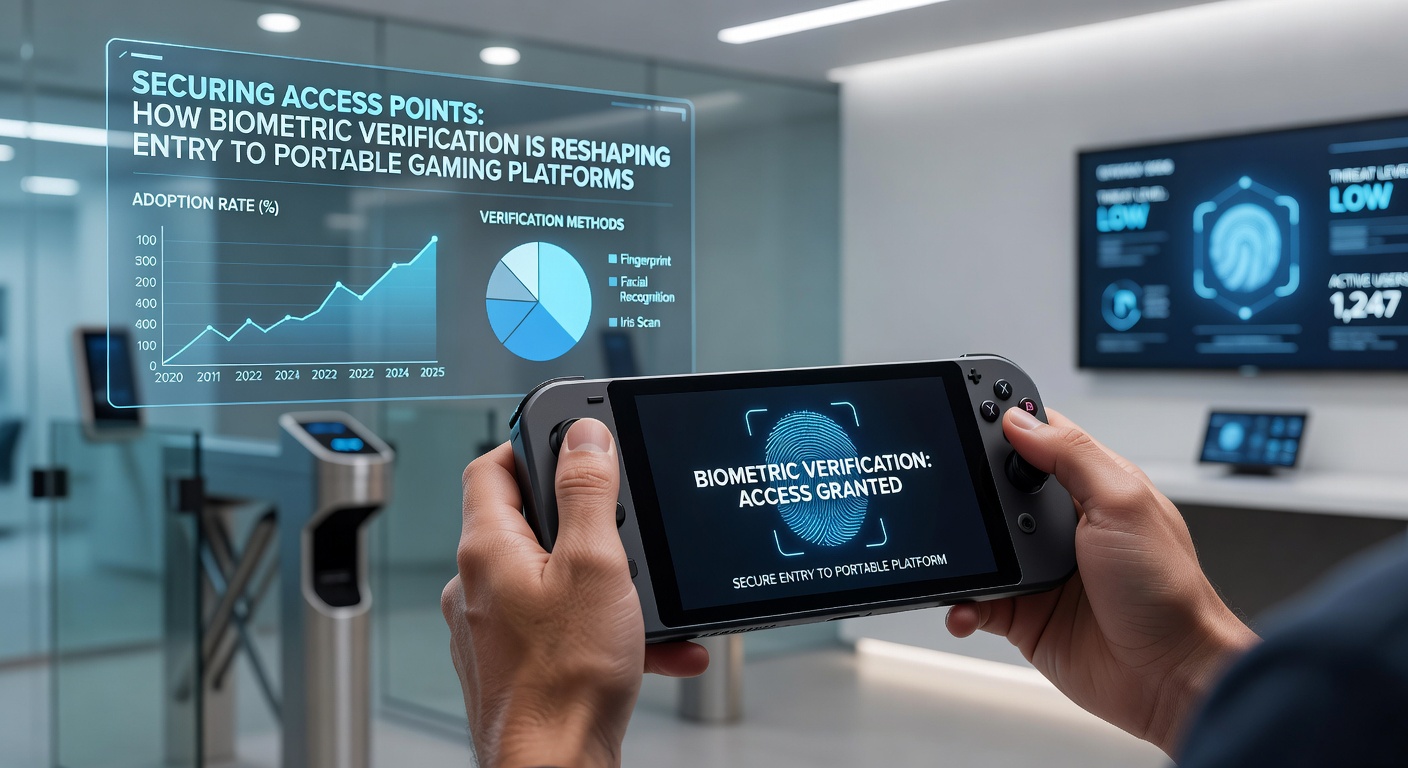
Multiple operators have introduced biometric gates for portable platforms over the past year, with some requiring initial setup during account creation. Users in European markets encounter these prompts more frequently due to directives from the European Union Agency for Cybersecurity, which encourages stronger identity controls in digital services. Figures from recent analyses show that sessions protected by biometrics experience lower rates of suspicious activity reports submitted to regulators.
One notable rollout occurred in Australia, where providers partnered with device makers to enable seamless fingerprint entry for live dealer interfaces. Observers note that this setup allows players to resume interrupted sessions without repeated manual logins, and similar patterns appear in pilot programs across additional territories. The technology supports cross-device continuity when users switch between phones and tablets, provided the hardware meets minimum security specifications.
Regulatory and Industry Influences
Government agencies and trade groups continue to shape how biometrics fit into gaming access protocols. In Canada, provincial regulators have issued guidelines that reference performance benchmarks for false acceptance rates, drawing from data compiled by academic institutions. Industry associations track these developments and publish summaries that operators consult when updating their systems ahead of compliance deadlines.
Reports issued in early 2026 by research firms specializing in digital security outline measurable improvements in account protection following biometric deployment. These documents compare pre- and post-implementation metrics across different regions, noting variations tied to local infrastructure and user device prevalence. Platforms adjust their implementations accordingly to align with evolving expectations from oversight bodies.
Future Directions for Verification Methods
Advancements in sensor accuracy and template protection algorithms point toward wider deployment in portable gaming environments. Emerging standards from international bodies emphasize interoperability, allowing users to carry verified profiles across approved applications without redundant enrollments. Data collected through ongoing monitoring programs suggests that these refinements address specific vulnerabilities identified in earlier mobile access models.
Conclusion
Biometric verification has become a standard component in access management for portable gaming platforms, supported by hardware capabilities and regulatory frameworks active in 2026. Operators integrate these tools to handle identity confirmation efficiently, while studies from diverse sources document shifts in security outcomes. Continued collaboration between technology providers, regulators, and researchers sustains the evolution of these entry protocols across global markets.