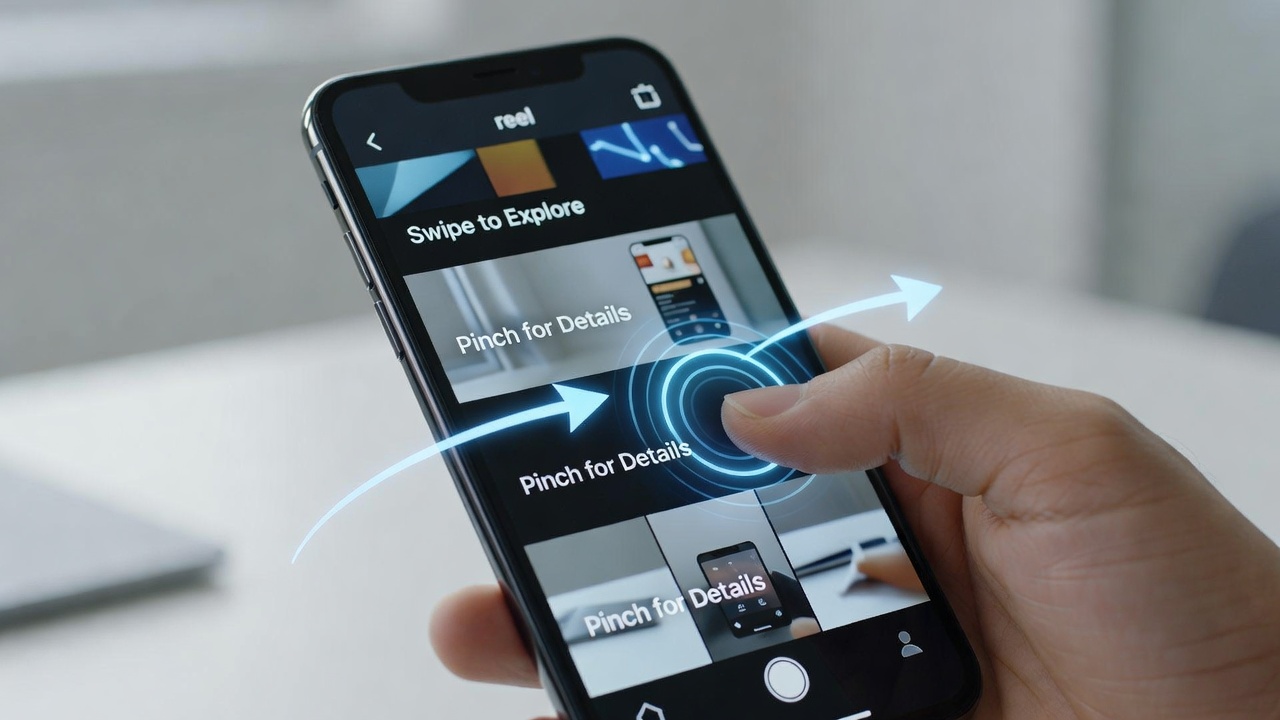
How Touch Gestures Reshape Interaction Patterns in Handheld Reel Interfaces
Touch gestures have transformed how users engage with reel-based games on handheld devices since the widespread adoption of capacitive screens in the late 2000s, and data from interface studies shows these changes continue into 2026. Developers replaced physical buttons with direct screen inputs that allow spins through taps, reel adjustments via swipes, and bonus activations with multi-finger holds. This shift altered session structures because players now control pacing through continuous finger movements rather than discrete clicks, and research from mobile human-computer interaction labs indicates average interaction sequences grew longer by 15 to 20 percent in controlled tests.
Core Gesture Categories in Modern Reel Systems
Single-tap actions remain the baseline for initiating spins across most platforms, yet developers layer additional inputs such as long-presses that open paytable overlays without leaving the main screen. Swipe mechanics let users nudge individual reels left or right to fine-tune outcomes in certain titles, and pinch-to-zoom features expand symbol details during feature rounds. Two-finger rotations appear in progressive jackpot interfaces where players align bonus wheels, and tilt-based gestures combined with touch enable device orientation changes that trigger side bets in select applications. These combinations create layered command sets where one gesture sequence feeds directly into the next without menu interruptions.
Industry reports compiled by the Nevada Gaming Control Board through 2025 documented a rise in gesture-supported titles from 42 percent to 67 percent of approved mobile submissions, and similar patterns emerged in data collected by the Australian Communications and Media Authority during the same period. Developers integrate these features through standardized SDKs that map finger coordinates to game engine events, reducing latency to under 50 milliseconds in optimized builds released after January 2026.
Measured Shifts in Player Behavior Patterns
Session analytics from multiple platform operators reveal that swipe-enabled reels correlate with extended play intervals because users perform micro-adjustments between spins rather than waiting for automated cycles. Tap frequency per minute dropped in gesture-heavy titles while total screen contact time increased, suggesting sustained attention through continuous input. Observers note that multi-touch bonus triggers often cluster activity into short intense bursts separated by longer idle periods, a pattern absent in older button-driven versions. Figures released in mid-2026 by European testing laboratories show that games supporting three or more simultaneous gesture types retained 12 percent more active users after 30 days compared with single-gesture counterparts.
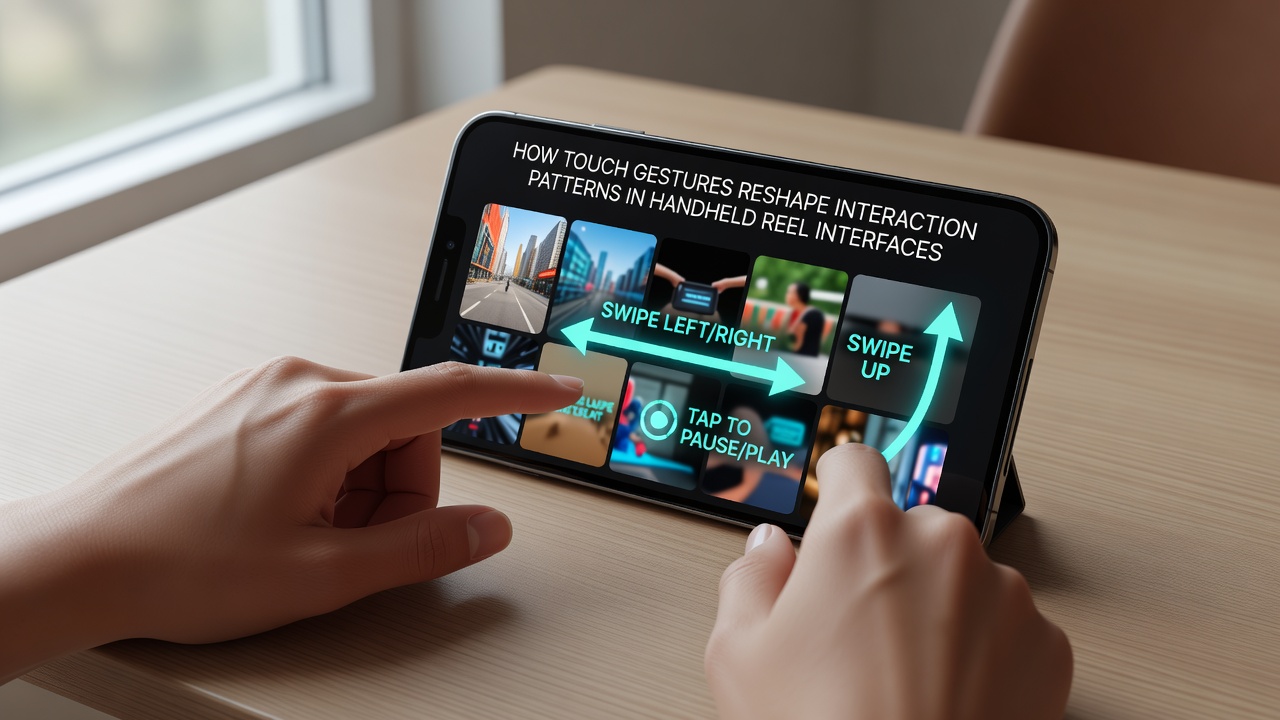
What's interesting is that heat-map visualizations from these studies display concentrated touch zones along reel edges where swipe nudges occur most often, and secondary clusters appear at screen corners used for menu access. This distribution influences layout decisions because designers reposition high-value symbols toward areas with higher gesture density. Cross-device synchronization tools now preserve gesture preferences when sessions move between phones and tablets, and synchronization logs from July 2026 indicate fewer drop-offs during device switches as a result.
Technical Implementation and Platform Constraints
Engineers rely on gesture recognizers within iOS and Android frameworks that distinguish between intentional swipes and accidental drags through velocity thresholds and directional filters. Handheld reel titles must account for varying screen sizes and aspect ratios because a swipe distance calibrated for a 6-inch phone produces different reel movement on a 10-inch tablet. Battery impact remains measurable since continuous touch sampling increases processor load, and optimization patches issued in spring 2026 reduced average power draw by 8 percent according to internal benchmarks shared at industry conferences.
Accessibility standards require fallback options such as on-screen buttons for users who prefer non-gesture controls, and regulatory guidelines in several jurisdictions mandate these alternatives during certification. Developers test gesture accuracy across glove use, wet fingers, and one-handed operation to maintain consistent performance, and failure rates below 2 percent appear in quality-assurance reports from major studios.
Emerging Developments Observed in Mid-2026
Recent updates incorporate predictive gesture models that anticipate spin direction based on initial finger trajectory, shortening response times further. Haptic feedback paired with touch inputs now varies intensity to signal near-miss outcomes or feature entries, and prototype builds shown at developer summits demonstrate pressure-sensitive layers that differentiate light taps from firm presses for distinct reel actions. Integration with wearable controllers extends gesture vocabulary beyond the screen itself, allowing wrist flicks to mirror phone-based swipes in connected setups.
Conclusion
Touch gestures continue to redefine how reel interfaces respond to user input on handheld devices through expanded command sets and altered behavioral metrics. Platform data collected through July 2026 confirms measurable changes in session length, touch distribution, and retention when multiple gesture types operate together. Technical refinements address latency, accessibility, and cross-device consistency while regulatory frameworks maintain baseline usability requirements. These elements together establish interaction patterns that differ substantially from earlier button-centric designs.