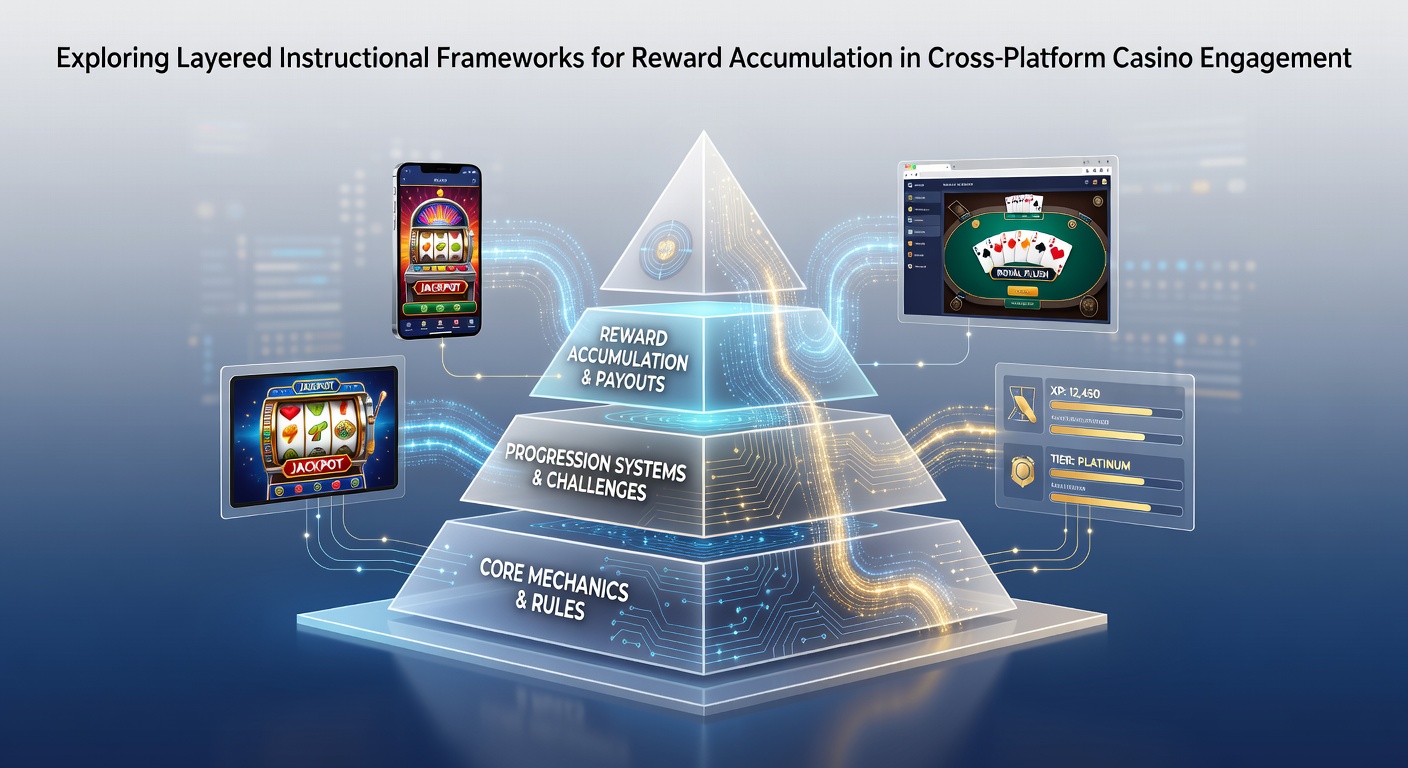
Exploring Layered Instructional Frameworks for Reward Accumulation in Cross-Platform Casino Engagement
Operators in the casino sector have developed structured systems that guide users through progressive stages of participation while ensuring reward points transfer seamlessly between devices, and these approaches rely on clearly defined instructional layers that teach engagement mechanics without requiring separate tutorials for each platform. Data from industry tracking services shows that synchronized loyalty programs now operate across mobile apps, web browsers, and dedicated software clients, allowing players to build balances through consistent actions such as completing game rounds or meeting activity thresholds regardless of access method.
Layered frameworks typically begin with an entry-level module that introduces basic point-earning rules, then advance to intermediate stages that unlock multipliers or tiered bonuses once users demonstrate understanding of cross-device continuity features. Research conducted by academic groups at institutions focused on digital behavior indicates that these sequential instructions reduce friction during platform switches, since users receive contextual prompts that reference prior activity on other devices rather than resetting progress indicators each time.
Core Components of Instructional Layers
Designers structure the first layer around immediate feedback loops that highlight point gains in real time, while the second layer incorporates comparative elements such as progress bars that display advancement toward the next reward threshold across all linked accounts. The third layer adds strategic guidance through optional challenges that encourage diversified play styles, and operators implement these elements using unified backend databases that update instantaneously when sessions move from one device type to another. Evidence collected from platform analytics demonstrates that users who progress through all layers maintain higher session frequencies over multi-week periods compared with those who encounter only flat reward structures.
Device Synchronization Mechanisms
Cross-platform continuity depends on account-level identifiers that carry reward status forward automatically, and systems achieve this through encrypted session tokens that activate the appropriate instructional overlay based on the current device capabilities. Mobile interfaces often present condensed versions of the same guidance shown on larger screens, yet the underlying progression metrics remain identical so that accumulated values do not diverge. Observers note that regulatory filings submitted to bodies such as the Malta Gaming Authority describe these synchronization protocols in detail, confirming that point ledgers must reconcile within seconds of any device change to maintain compliance standards.
Additional layers sometimes integrate location-aware triggers that adjust reward opportunities according to regional rules, although core instructional content stays uniform to avoid confusion during transitions. Studies published in peer-reviewed journals on human-computer interaction have examined how these adaptive prompts affect completion rates, revealing that users respond more consistently when instructions reference familiar actions performed on previous devices rather than introducing entirely new terminology.
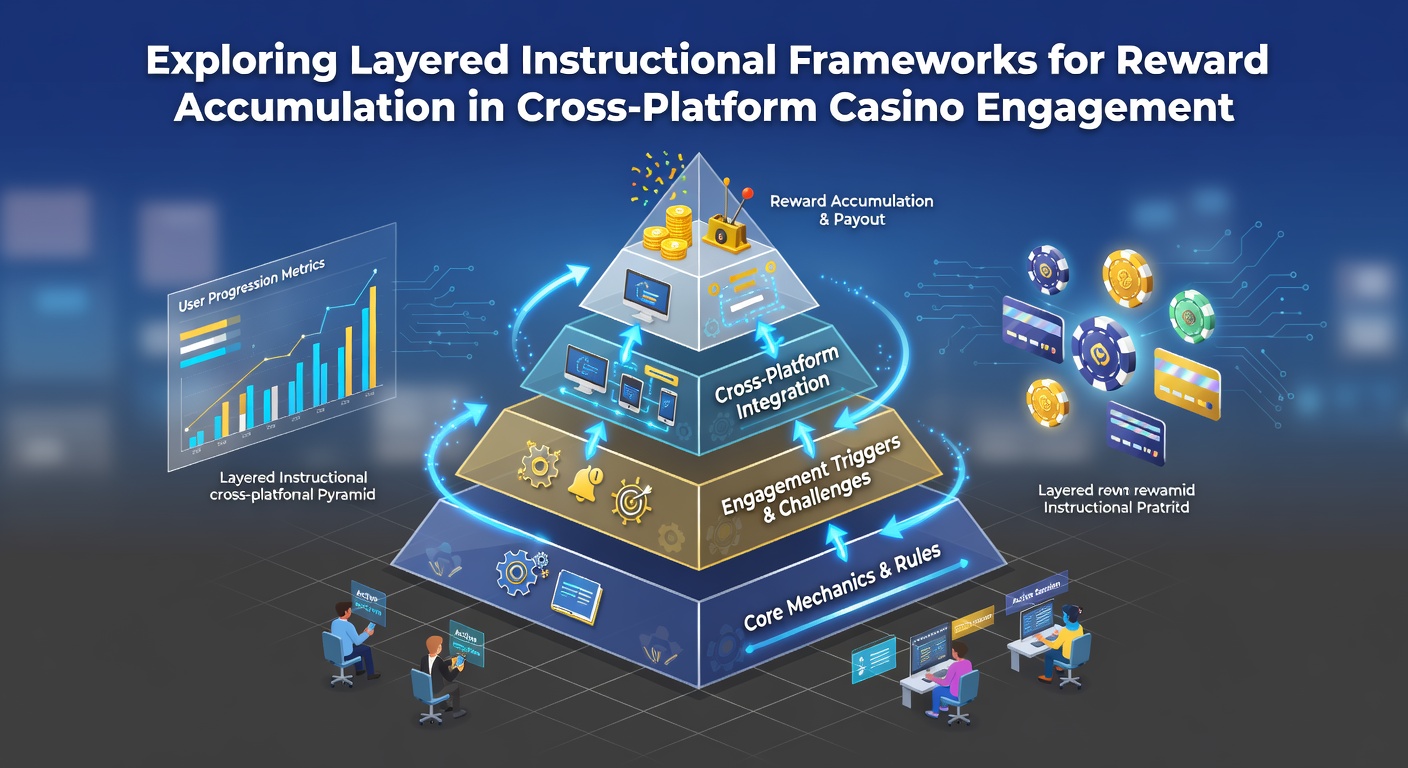
Implementation Patterns Observed in 2026
During the first half of 2026, several operators expanded their layered systems to accommodate emerging platform combinations that include smart televisions and wearable interfaces alongside traditional mobile and desktop options. Records maintained by the American Gaming Association indicate that participation metrics for synchronized programs rose measurably in markets where operators introduced unified instructional sequences instead of device-specific onboarding flows. These updates coincided with broader availability of cloud-based account management tools that store progress data centrally and push relevant guidance to whichever device initiates the next session.
One documented approach involves progressive disclosure, where advanced reward mechanics appear only after users complete prerequisite tasks tracked across platforms, and this method prevents information overload during initial engagement periods. Figures released by research divisions within the Canadian gaming sector show corresponding increases in cross-device session continuity when operators apply such staged instruction models. The same reports highlight that reward accumulation rates stabilize more quickly once users internalize the layered guidance structure.
Measurement and Adjustment Processes
Operators track effectiveness through aggregated metrics that count how many users advance between instructional layers within defined timeframes, and they adjust prompt frequency or content depth based on completion data collected automatically from all connected platforms. External audits performed by independent testing laboratories verify that reward calculations remain consistent regardless of the sequence in which devices are used. Documentation submitted to oversight agencies in various jurisdictions confirms that these verification steps occur at regular intervals to uphold system integrity.
Additional refinements include conditional branching within the instructional sequence, allowing users who demonstrate rapid comprehension to bypass redundant explanations while still preserving access to all reward pathways. Data compiled by academic researchers at European universities specializing in media studies has identified correlations between streamlined layer progression and sustained multi-platform usage patterns over extended observation windows.
Conclusion
Layered instructional frameworks continue to evolve as operators integrate new device categories and refine synchronization standards, with current implementations emphasizing unified progress tracking and context-sensitive guidance that supports reward accumulation across environments. Available records from regulatory and industry sources demonstrate consistent application of these systems in multiple markets, while ongoing measurement protocols provide the data needed for iterative improvements. The structural approach remains focused on maintaining continuity of point balances and instructional relevance regardless of how users move between platforms.