Decoding App Permission Layers: How Device Configurations Dictate Secure Transaction Flows in Portable Gaming Ecosystems
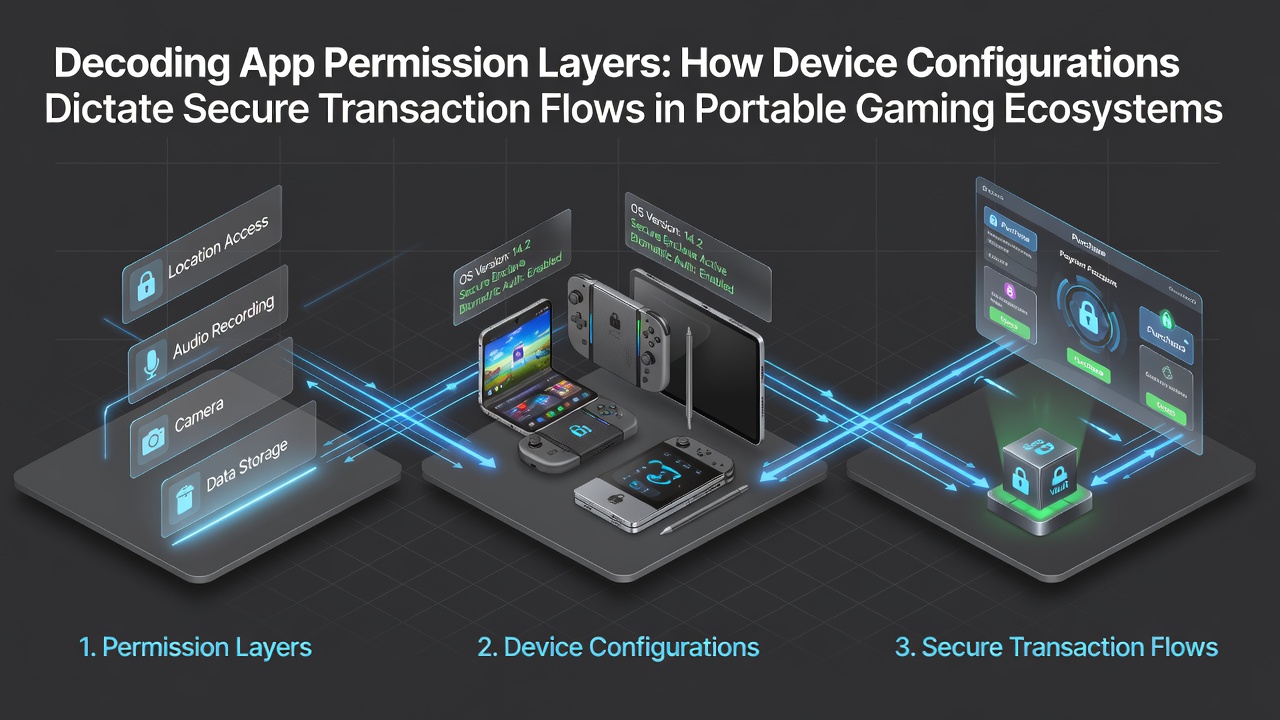
Portable gaming ecosystems rely on layered permission structures that govern how applications interact with device hardware and network resources, and these layers directly shape the pathways for secure financial transactions during gameplay. Developers configure apps to request specific access rights at installation and runtime, while operating systems enforce granular controls that can either streamline or interrupt payment processing sequences. In August 2026 regulatory updates across multiple jurisdictions highlighted how mismatched permission settings often trigger transaction failures in mobile casino environments, prompting platform operators to refine their configuration protocols.
Core Permission Structures Across Operating Systems
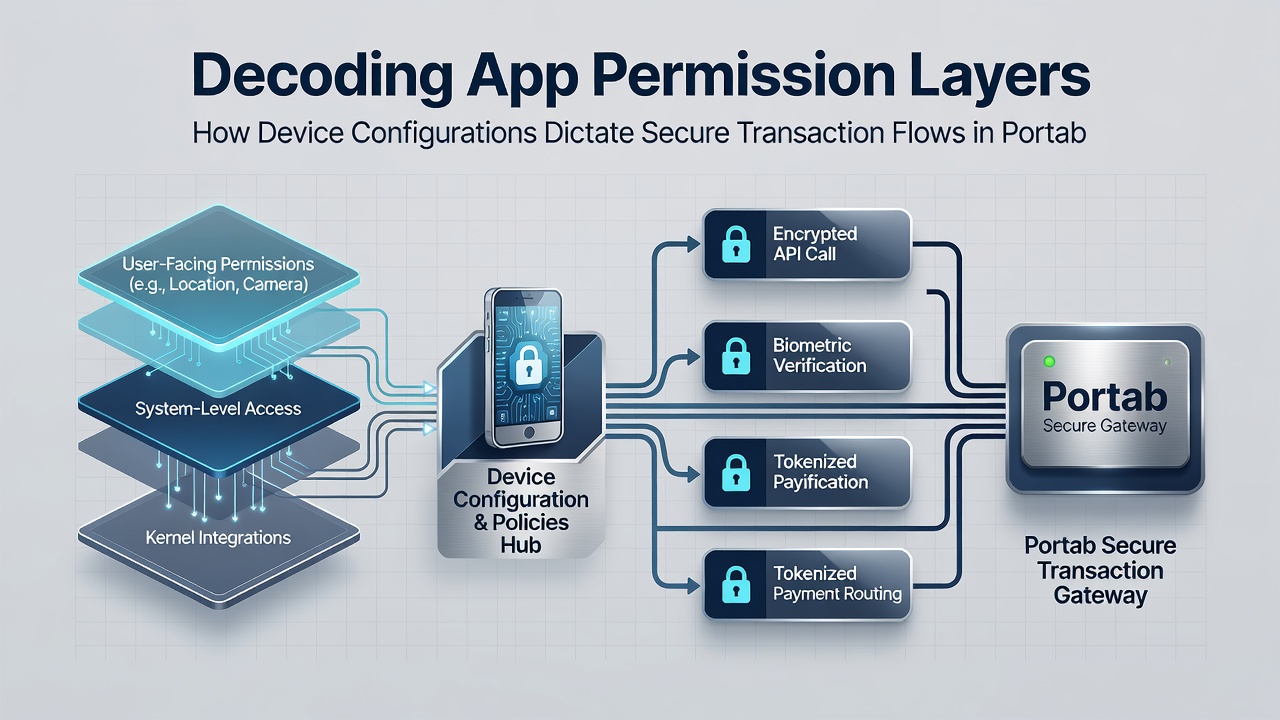
Android and iOS maintain distinct yet overlapping permission frameworks that determine which device features a gaming app may access during deposit or withdrawal operations. Android uses a manifest-based system where permissions like ACCESS_FINE_LOCATION, INTERNET, and READ_PHONE_STATE are declared upfront, and runtime prompts allow users to grant or deny access on a per-feature basis. iOS employs an entitlements model tied to the App Store review process, requiring explicit user consent for camera, microphone, and location services before any transaction-related data exchange occurs. Researchers at academic institutions have documented that apps requesting excessive permissions early in the user journey experience higher abandonment rates during checkout flows, particularly when location services are involved for compliance verification.
Device Configuration Variables That Influence Transaction Security
Hardware and software settings on individual devices create unique permission environments that either support or hinder encrypted data transmission between gaming platforms and payment processors. Battery optimization modes, VPN configurations, and developer options such as USB debugging can alter how an app maintains persistent network connections required for real-time authorization checks. Observers note that users who enable aggressive power-saving features frequently encounter interrupted transaction sequences because background processes handling token validation lose necessary permissions mid-session. Network permission layers also interact with carrier-level restrictions, where certain mobile data plans limit background data usage and thereby affect the speed of secure socket layer handshakes during fund transfers.
Those who manage portable gaming platforms have observed patterns where device-level firewall applications block specific ports that payment gateways rely upon, forcing apps to fall back to less efficient communication methods. Data from industry reports indicates these fallback mechanisms can increase latency by several seconds, which in turn raises the risk of session timeouts during high-volume betting periods. In August 2026 several platform providers adjusted their onboarding tutorials to guide users through optimal device configuration steps that preserve transaction integrity without compromising privacy controls.
Transaction Flow Dependencies on Permission States
Secure transaction sequences in gaming apps follow a multi-stage process where each step requires verified access to device resources before proceeding to the next. Initial account verification often depends on camera or biometric permissions, while payment authorization relies on network and storage permissions to handle token storage and receipt generation. When any layer denies access, the flow breaks and the system logs the failure for compliance auditing. Studies from research institutions have shown that permission denials at the storage layer alone account for a measurable percentage of failed withdrawals, because receipt files cannot be cached locally for later verification.
Platform operators integrate adaptive permission management that detects denied access early and prompts users with context-specific explanations rather than generic system dialogs. This approach reduces friction while maintaining transparency about why certain permissions are necessary for completing financial operations. According to a report published by the European Gaming and Betting Association, standardized permission handling across devices has contributed to improved transaction success rates in cross-border gaming sessions.
Regulatory and Compliance Intersections
Gaming regulators in various regions require that permission requests align with data minimization principles, meaning apps may only seek access necessary for the stated functionality. The Australian Communications and Media Authority has issued guidance emphasizing that location permissions used for geofencing must be paired with clear disclosures about how that data supports transaction security and regulatory adherence. Similar frameworks in North American jurisdictions stress ongoing consent management, where users can revoke permissions at any time without losing account access. These rules create additional configuration layers that developers must account for when designing transaction pipelines that remain functional across different device states.
Conclusion
Device configurations and their associated permission layers form the foundational infrastructure that enables or restricts secure transaction flows within portable gaming ecosystems. As operating systems evolve and regulatory expectations tighten, platform developers continue to refine how apps request, manage, and respond to permission changes. Data from multiple sources shows that clear communication around permission needs, combined with flexible handling of device-specific settings, supports smoother financial operations while meeting compliance standards across jurisdictions.