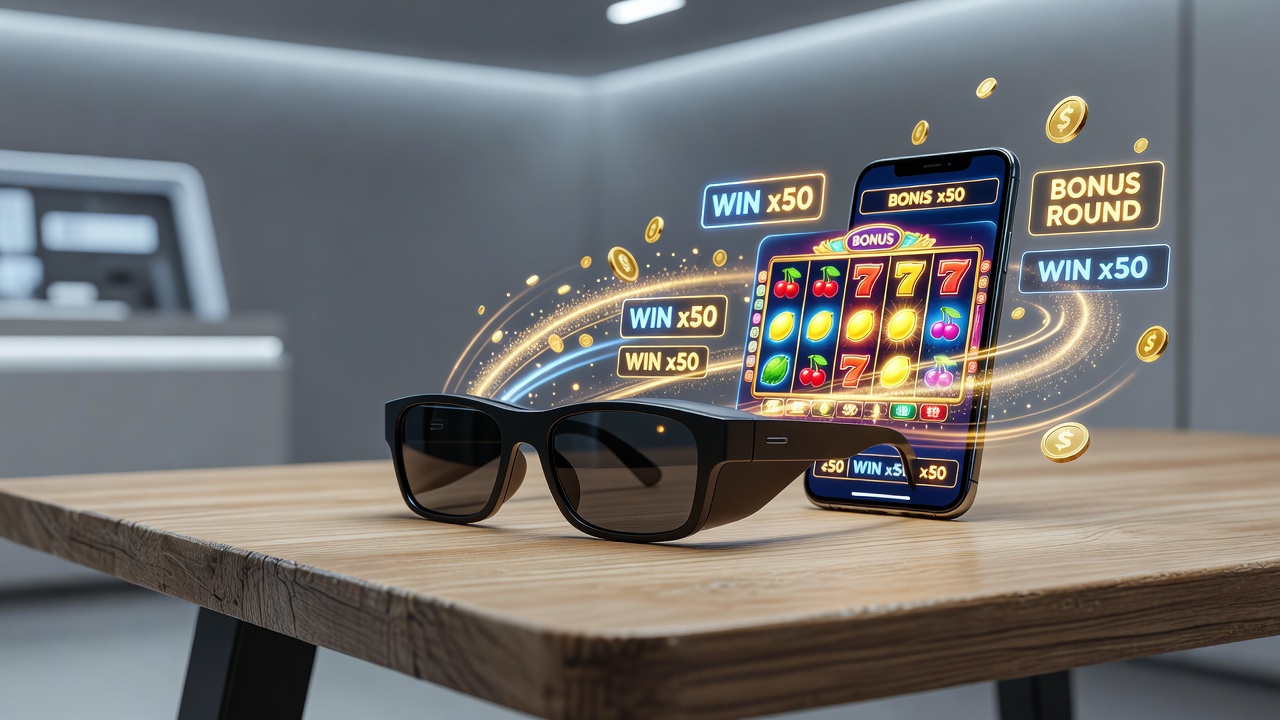
Augmented Overlays Transforming Traditional Mobile Slot Play into Immersive Experiences
Augmented overlays integrate digital layers directly onto mobile slot interfaces by using device cameras, sensors, and real-time processing to add three-dimensional objects, environmental effects, and interactive prompts that respond to player movements and game outcomes. These systems build on established mobile hardware capabilities while expanding the visual and functional scope of traditional reel-based games beyond flat two-dimensional graphics.
Core Mechanisms Behind the Technology
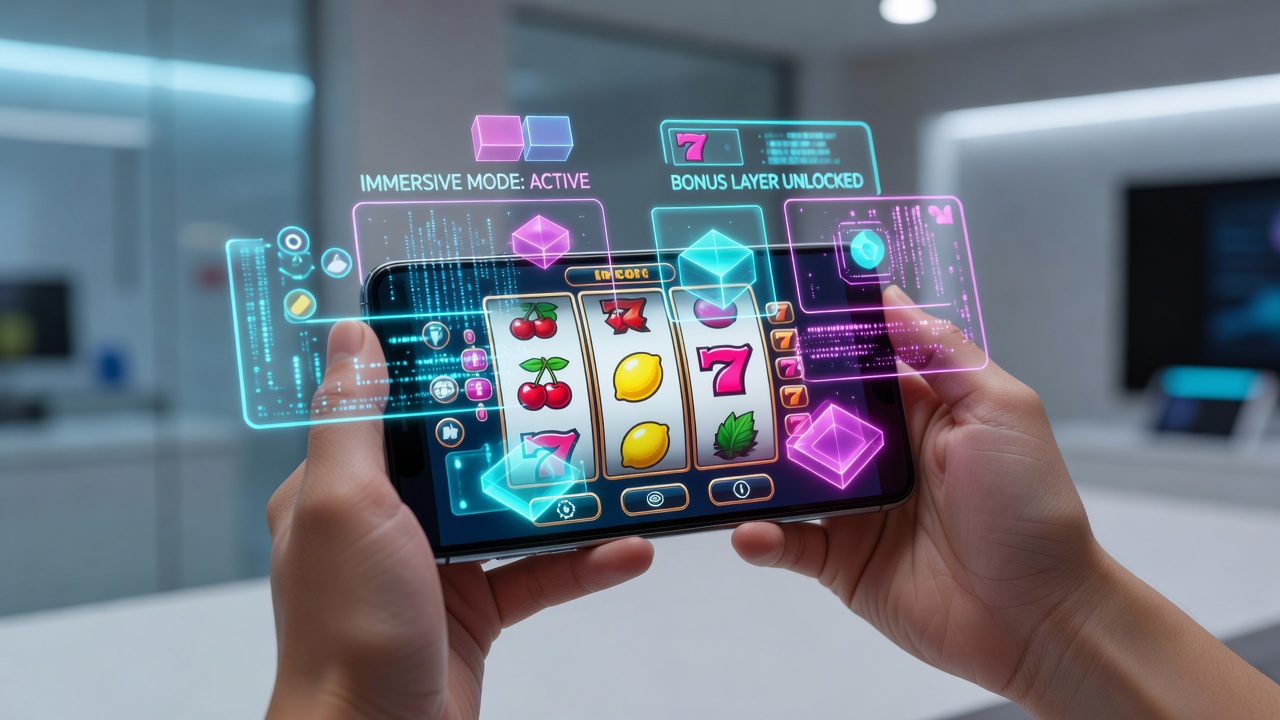
Developers combine augmented reality frameworks such as ARKit and ARCore with slot engine software to project virtual symbols, bonus environments, and character animations that align with the physical orientation of the phone or tablet. The overlays activate when the game detects specific triggers like a winning combination or a bonus round entry, then they render additional content that appears anchored to the screen surface or extends into the surrounding space captured by the camera feed. Data from device accelerometers and gyroscopes allow the layered elements to shift perspective as the user tilts or moves the device, creating a sense of depth that standard slot displays cannot replicate.
Processing occurs locally on the device for low-latency responses while supplementary assets load from secure cloud servers to maintain consistent performance across different network conditions. Industry reports indicate that integration of these layers requires compliance with existing game certification standards, which ensures random number generation and payout mechanics remain unchanged even as visual enhancements increase.
Adoption Patterns Across Markets
Operators in regulated jurisdictions began rolling out augmented overlay features during 2025, with several platforms reporting measurable increases in session duration after implementation. Figures released by the Canadian Gaming Association show that titles incorporating AR elements recorded an average 28 percent rise in engagement metrics compared with their non-augmented counterparts during the first half of 2026. Similar patterns appear in markets where regulators permit the use of camera-based features, provided geolocation and age verification protocols stay active throughout play sessions.
One platform that introduced overlay-driven bonus rounds in July 2026 documented a 34 percent uptick in feature trigger rates within the initial four weeks, according to internal telemetry shared with certification labs. These results align with broader observations from research institutions tracking mobile gaming trends, where visual immersion correlates with extended play intervals when paired with familiar reel mechanics.
Integration with Existing Loyalty and Reward Systems
Augmented overlays also connect to player accounts through the same APIs used for standard mobile slots, allowing progress tracking and reward accumulation to continue without interruption. Points earned during overlay-enhanced sessions transfer directly into loyalty ledgers, and operators have reported no additional reconciliation steps beyond existing synchronization routines. This compatibility reduces friction for users who move between augmented and conventional titles within the same ecosystem.
Studies conducted by the University of Nevada, Reno gaming research division highlight that overlay features can surface contextual information such as remaining wagering requirements or upcoming promotional windows without leaving the game screen. The same research notes that these non-intrusive prompts maintain regulatory transparency while delivering operational data that previously required separate menu navigation.
Regulatory and Technical Considerations
Regulators in multiple regions require that augmented overlays do not alter core game mathematics or obscure mandatory disclosures. Testing protocols now include verification that overlaid elements remain visually distinct from payout tables and that camera access can be disabled without affecting gameplay eligibility. Gaming Labs International maintains updated certification criteria that address camera permissions, data storage for AR assets, and accessibility options for users who prefer standard interfaces.
Network operators and device manufacturers continue to refine hardware support for sustained AR rendering, which reduces battery impact during extended sessions. Updates rolled out in early 2026 improved thermal management on flagship handsets, enabling longer periods of overlay use before performance throttling occurs.
Future Development Pathways
Developers are exploring multi-user overlay sessions where players in proximity can view shared virtual elements through their individual devices, although such features remain in pilot stages pending further regulatory review. Cross-platform synchronization standards are also advancing so that progress achieved on a phone with active overlays carries over to a tablet or laptop session without manual intervention.
Industry observers note that ongoing refinements in spatial computing and 5G network capacity will support higher-fidelity overlays with reduced data overhead, expanding viable use cases beyond current device limitations. These incremental improvements build directly on existing mobile slot infrastructure rather than requiring wholesale replacement of backend systems.
Conclusion
Augmented overlays represent a direct evolution of mobile slot presentation that layers additional visual and interactive dimensions onto established mechanics. Data from certification bodies and academic research centers show measurable engagement gains where these features have been deployed, while regulatory frameworks continue to adapt testing procedures to accommodate the new visual layer without compromising core integrity requirements. As hardware capabilities advance through 2026 and beyond, the technical foundation already in place positions operators to deliver progressively richer experiences within the same regulatory and operational structures that govern conventional mobile slot play.