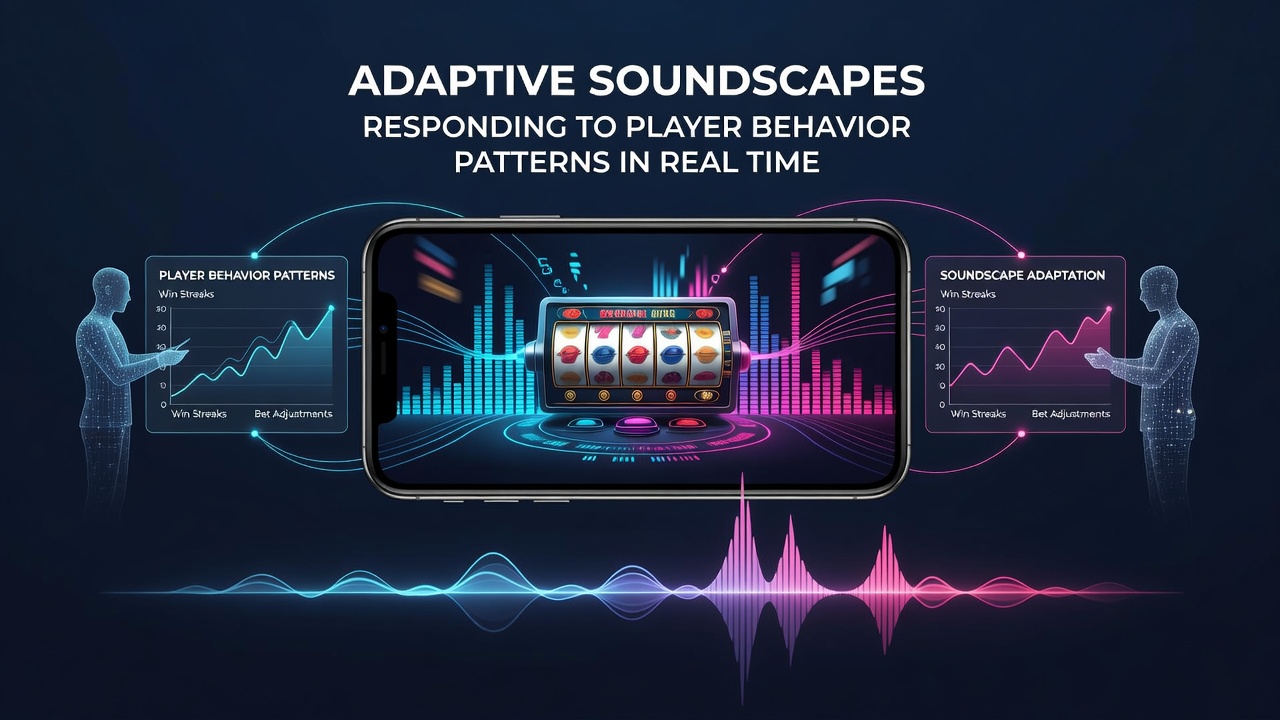
Adaptive Soundscapes in Mobile Casino Apps Respond to Player Behavior Patterns in Real Time
Adaptive soundscapes in mobile casino apps adjust audio elements based on live player actions such as bet frequency, session duration, and interaction speed, and these systems draw on algorithms that process data streams without delays. Developers integrate sensors from device microphones, accelerometers, and touch interfaces to feed information into machine learning models that modify background tracks, sound effects, and ambient layers on the fly.
Core Mechanisms Driving Real-Time Audio Adjustments
Apps collect metrics including swipe velocity during slot spins, pause intervals between decisions, and patterns in deposit timing, then route those inputs through decision trees that trigger specific audio shifts. When a player increases wager amounts rapidly, the system may layer in rising tension tones drawn from low-frequency pulses, whereas slower pacing often prompts softer, sustained melodies that reduce intensity. Research from the University of Nevada Reno's gaming technology lab indicates that such adjustments occur within 200 milliseconds of detected behavior changes, allowing seamless transitions that players rarely notice consciously yet respond to through continued engagement.
Sound designers pre-build modular audio banks categorized by emotional valence and intensity levels, and the app's backend selects and blends segments according to behavioral classifiers updated every few seconds. In July 2026 multiple platforms rolled out enhanced versions that incorporate biometric data from wearable pairings, such as heart rate variability captured via connected devices, to refine audio responses further. This integration builds on earlier frameworks where touch patterns alone dictated changes, expanding the dataset to include physiological signals that correlate with risk tolerance shifts during play sessions.
Implementation Across Major Mobile Platforms
Leading developers have deployed these systems in games available on both iOS and Android environments, with compatibility maintained through standardized APIs that handle audio processing alongside core game logic. One case involved a slot title where prolonged periods without wins activated subtle uplifting chimes that gradually incorporated brighter harmonics, a modification tied directly to session length metrics rather than random triggers. Industry reports from the Nevada Gaming Control Board note that operators testing adaptive audio observed measurable differences in average session times when compared against static sound versions, though exact figures vary by title and user demographic.
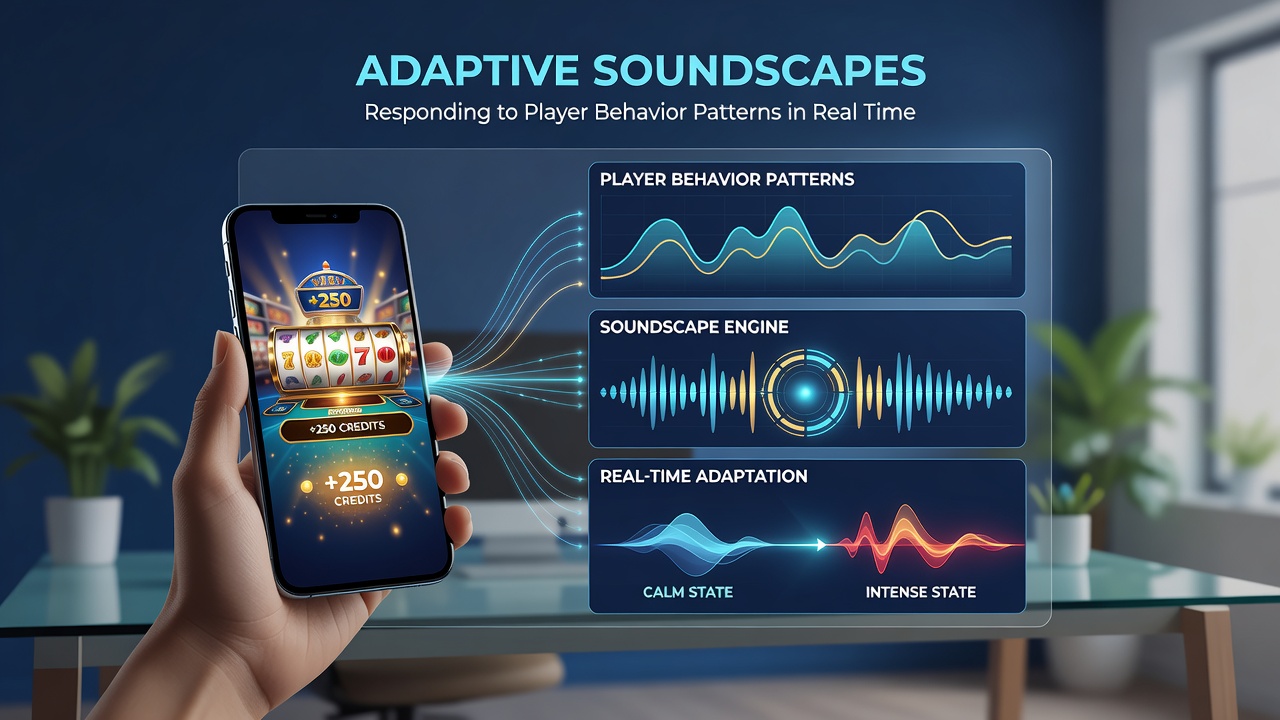
Cross-platform synchronization ensures that players switching between devices maintain consistent audio profiles, achieved through cloud-based preference storage that updates behavior models instantly. European operators have explored similar approaches under guidelines from the Malta Gaming Authority, focusing on transparency requirements that mandate clear disclosure of data usage for audio personalization features. Those frameworks require apps to allow users to toggle adaptive modes, preventing unintended audio escalations during extended sessions.
Data Sources and Algorithmic Foundations
Algorithms rely on supervised learning models trained on anonymized datasets from millions of sessions, with features extracted from timestamped action logs that capture everything from rapid double-down decisions to extended contemplation periods before placing bets. A study published through the Australian Institute of Family Studies examined correlations between audio modulation and player retention across state-regulated markets, finding that dynamic soundscapes aligned with behavioral clusters produced higher continuation rates in controlled trials. Developers refine these models periodically using reinforcement learning techniques that reward configurations leading to balanced session outcomes, avoiding over-stimulation that might prompt abrupt exits.
Geolocation data sometimes factors into the mix, as regional preferences influence baseline audio palettes, yet the real-time adaptation layer remains driven primarily by individual behavior streams. Canadian provincial regulators, including those in Ontario, have reviewed these technologies during licensing processes to confirm compliance with responsible gaming standards that emphasize player control over sensory elements.
Technical Challenges and Ongoing Refinements
Latency management poses ongoing hurdles, particularly on variable network connections where data packets carrying behavioral updates must reach processing servers without interrupting audio playback. Engineers address this through edge computing nodes that handle initial classification locally before syncing with central models, reducing round-trip times. Battery impact remains another consideration, since continuous audio rendering combined with sensor polling can drain resources faster than static alternatives, prompting optimizations such as selective activation only during active betting phases.
Updates rolled out in mid-2026 incorporated improved compression codecs that maintain audio fidelity while lowering processor demands, according to documentation from the International Gaming Standards Association. These refinements allow broader deployment across mid-range devices without compromising the responsiveness that defines the technology.
Conclusion
Adaptive soundscapes continue to evolve as mobile casino apps integrate deeper behavioral analytics with audio engines, creating environments that shift in concert with player patterns. Regulatory bodies across multiple jurisdictions maintain oversight through established licensing channels, while technical standards organizations track performance benchmarks that support consistent implementation. Data from ongoing trials in regulated markets informs further iterations, ensuring these systems operate within defined parameters for player interaction and device compatibility.